
At Soul Signature Studios, we begin with story, emotion, and intention before we ever think about tools, prompts, or production. Whether a film is shot traditionally or built with AI, the goal is the same: create a world that feels lived in, recognizable, and true to the story underneath it.
These are the principles we return to again and again.
01
Find the feeling before you build the world
Before you write the scene, choose the location, or generate a single frame, ask:
What should this moment feel like?
Longing. Relief. Tension. Recognition. Freedom. Grief. Desire.
That feeling becomes your compass.
The wardrobe, lighting, music, pacing, camera movement, and even the space around your character should all support it.
A beautiful image is not enough.
The image should belong to the emotion.
02
Tell the moment, not the whole story
Short-form storytelling becomes more powerful when you stop trying to explain everything.
Enter the scene when something is already happening.
Leave before the audience has been told exactly how to feel.
Trust them to understand what came before and imagine what comes next.
Sometimes one look between two people can carry more story than three minutes of exposition.
03
Know who your character is before deciding how they look
A character is more than a face.
Before wardrobe, hair, setting, or visual references, understand their essence.
What do they want?
What are they protecting?
What are they afraid to say?
What energy do they bring into a room?
At Soul Signature, we often give characters an internal anchor:
The Dreamer. The Anchor. The Reflection. The Spark.
Those identities are not boxes. They are creative touchstones.
Once you know who someone is, you can make visual decisions that actually mean something.
04
Let the frame say what the character cannot
Not every emotion needs dialogue.
An untouched glass.
A suitcase near the door.
Someone lingering after the conversation has ended.
A character standing in a room that suddenly feels too large.
Visual storytelling allows the audience to experience the inner world instead of simply hearing about it.
Before adding another line, ask:
Can the image carry this instead?
05
Give your world a visual signature
Every story should have a visual language of its own.
Think about:
- light
- color
- texture
- wardrobe
- architecture
- movement
- framing
- atmosphere
The goal is not for every scene to look identical.
The goal is for every scene to feel like it belongs to the same universe.
That is where consistency becomes more than aesthetics.
It becomes storytelling.
06
Build in emotional beats, not just scenes
A story is not simply a sequence of things that happen.
It is a sequence of emotional shifts.
Something is true.
Something changes.
The character is no longer standing in quite the same place emotionally.
Even a 30-second film should move.
Think less about:
Scene 1. Scene 2. Scene 3.
And more about:
Before. Disruption. After.
That rhythm is what gives a short film shape.
07
Use sound to deepen what the image already knows
Sound can completely change the meaning of a scene.
Music can create longing before a character says a word.
Ambient sound can make a place feel lived in.
Silence can make a moment feel almost unbearably intimate.
Do not use sound simply to fill space.
Use it to reveal another layer of the story.
08
Leave something with the audience
The end of a short film does not have to answer every question.
It should leave an impression.
An image.
A line.
A feeling.
A realization that follows the audience after the screen goes dark.
At Soul Signature Studios, we think of this as resonance.
The story ends.
The feeling does not.
The Soul Signature Lens
Before you create a scene, ask:
- What is the emotional truth?
- Whose experience are we inside?
- What should the audience feel before and after this moment?
- What can the image say without words?
- Does this still feel like the same world?
And most importantly:
Am I serving the story, or am I just showing what the technology can do?
Story first. Technology second.
Case Study
From page to screen: Every Version of You
Every Version of You began as a novel.
Before there were cinematic scenes, character references, environments, or motion, there was the emotional world of the story.
That became the foundation for everything that followed.
Rather than designing characters only around appearance, each one was given a clear emotional role within Simone’s world.
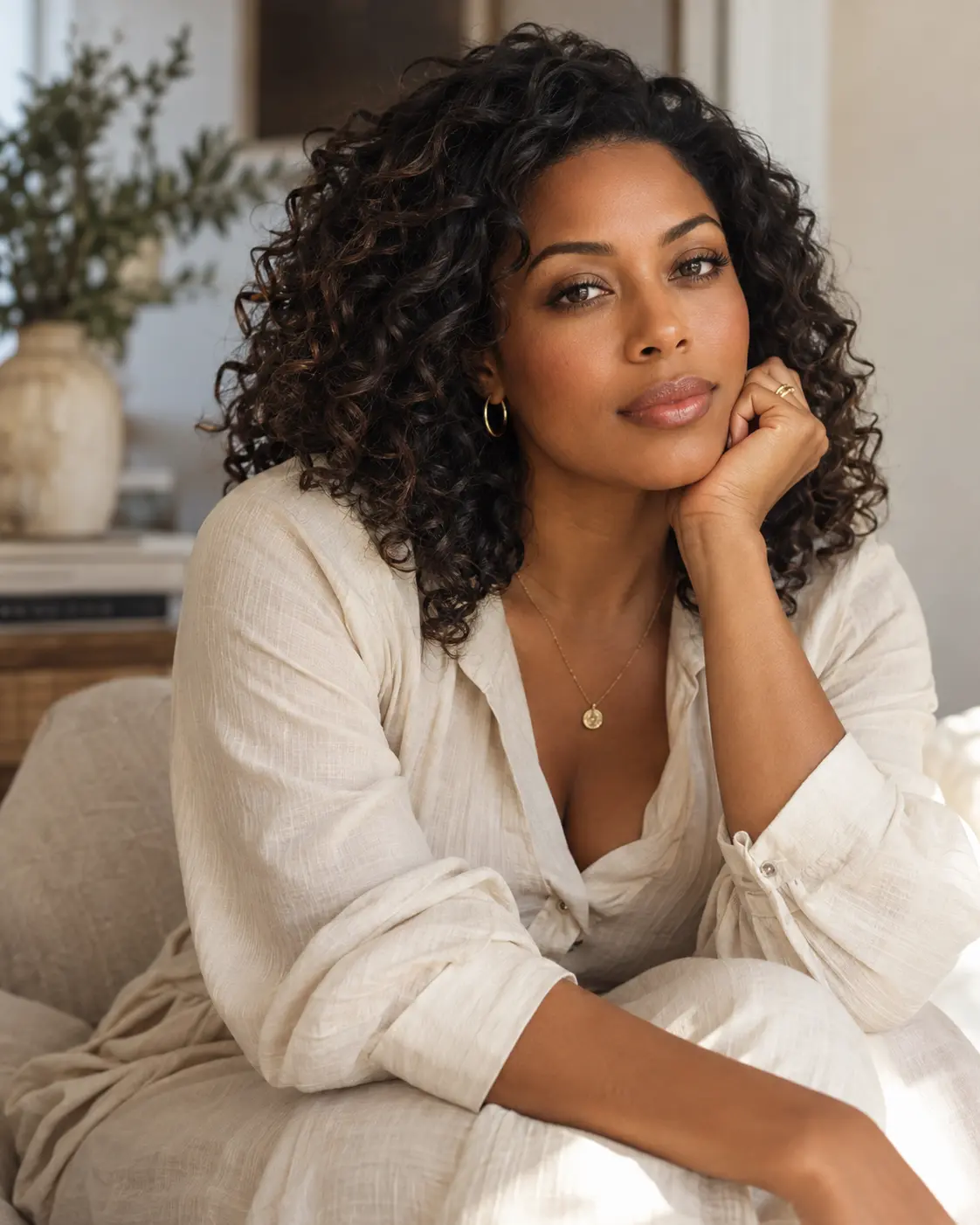
Simone
The Dreamer
Creative. Intuitive. Ever-evolving. Simone is always reaching toward the version of herself she can feel before she fully understands her.

Weston
The Anchor
Grounded. Visionary. Protective. Weston carries a steadiness that allows Simone to see herself differently, even when she is still learning how to trust what she sees.
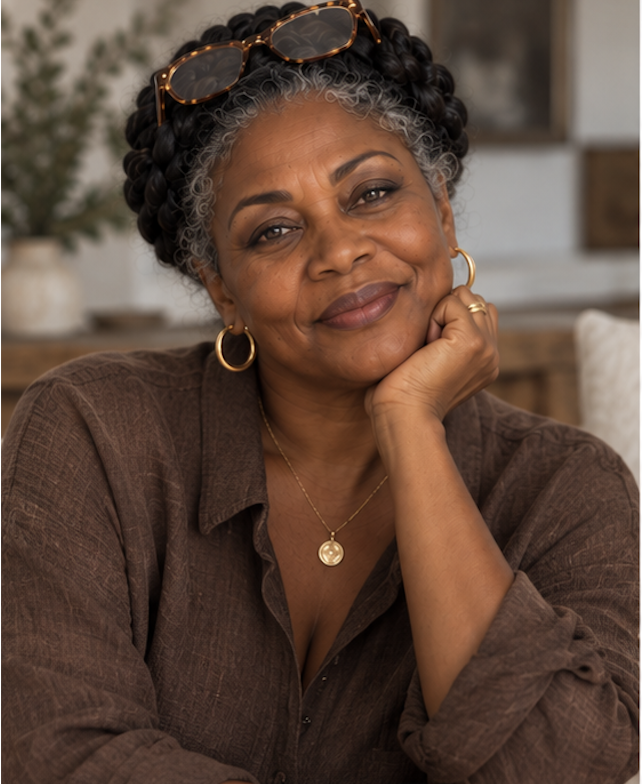
Miss Annabelle
The Reflection
A mirror, a muse, and a reminder that healing can sometimes look like remembering who you have always been.
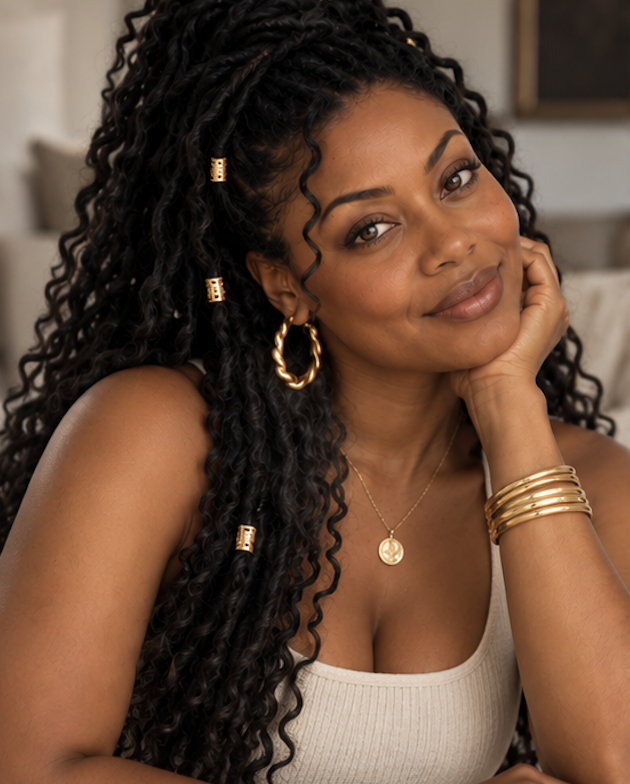
Kezia
The Spark
Warm. Bold. Perceptive. She says what Simone will not, sees what Simone misses, and brings lightness to the moments that could otherwise become too heavy.
These internal anchors influence more than characterization.
They shape wardrobe, framing, movement, color, environment, and the way each person occupies the screen.
That is the difference between simply generating a character and building someone who belongs to the story.
From story to world
The same philosophy extends beyond the characters.
Atlanta does not feel like Lagos.
Lagos does not feel like New Orleans.
New Orleans does not feel like London.
Each place carries its own emotional function in the story, while still belonging to the larger visual language of Every Version of You.
That is world-building.
Not simply creating beautiful places.
Creating places that mean something.